- Build, by Sefunmi Osinaike
- Posts
- What $3,000 Taught Me About Startup Marketing
What $3,000 Taught Me About Startup Marketing
Issue #11: Scrappy got us started. Paid gave us leverage.

Sefunmi Osinaike
June 12, 2025
In this week’s edition of Build by Sefunmi Osinaike, we’re digging into:
Why doing things that don’t scale will only get you so far
What one $3,000 LinkedIn post taught us about message-audience fit
How Levels scaled a niche product by turning trust into distribution
Let’s get into it.
On Starting Scrappy
When we launched Co.Lab, we didn’t have a marketing budget.
So like most early-stage teams, we started scrappy.
We scraped email addresses from websites, cold-DM’d people on LinkedIn who looked like they might be exploring product management, and tested messages across Slack communities, Reddit threads, and anywhere aspiring PMs hung out online.
It worked in the beginning.
Those tactics helped us validate our idea and bring in our first 100 paying customers.
The goal at that stage wasn’t scale, it was survival.
We needed proof that people would pay for what we were offering, and we got it.
But after a few months, we started seeing diminishing returns.
The same tactics that helped us get off the ground were becoming less effective.
We were putting in more hours but getting fewer conversions., and that’s when we realized something needed to change.
Our First Paid Marketing Experiment
We reached out to a creator we knew and trusted.
Their audience overlapped almost perfectly with ours — aspiring PMs and tech professionals looking to transition into product roles.
The kind of people who were already searching for programs like Co.Lab.
We paid them $3,000 to write a single LinkedIn post.
It felt like a stretch.
Up until that point, we had relied on manual outreach, referrals, and word of mouth. And dropping that much money on one post felt risky, and honestly, hard to justify.
I kept thinking about what else we could have done with that amount.
But cold outreach was slowing down, and we needed a new path forward.
So we ran the experiment.
The post brought in $7,500 in revenue.
But more importantly, it gave us something we hadn’t had before: clarity.
What Spending Forced Us to Do
Thing is, when you spend money on marketing, you start asking better questions.
You want to know who exactly you’re speaking to, what pain they’re feeling, and what words they’re using to describe it.
Most importantly, you also start tracking real outcomes.
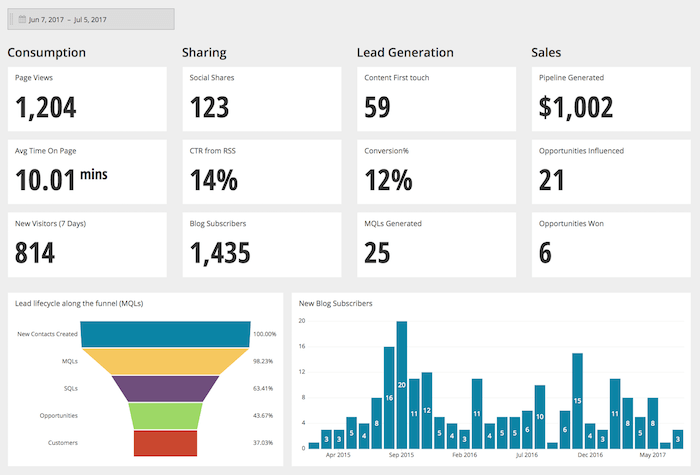
Metrics to track for content marketing
We weren’t just tracking clicks or likes. We were focused on actual outcomes: Conversions, revenue, and leads that turned into real users.
Before the post went live, we tightened the landing page, clarified the call to action, AND made sure the onboarding experience matched what the post was promising.
That pressure made us sharper.
And the results went beyond signups.
It gave us a system we could refine, test, and repeat. Not a one-off spike, but something we could build on.
Why Scrappy Isn’t a Strategy Forever
Doing things that don’t scale got us off the ground.
Those early one-on-one conversations helped us understand the customer.
They gave us language we could use, real objections we could address, and a sense of what made our offer resonate.
But eventually, the returns started shrinking.
The inboxes ran dry. The Slack groups felt repetitive.
We were having the same conversations, but growth had stalled.
Our calendar was packed, yet the pipeline wasn’t moving.
We had hit a ceiling, and we knew we couldn’t keep solving it with more effort.
We needed a different kind of tool, something that could help us scale what was already working.
That’s what paid marketing did. It didn’t replace the early grind, only gave it more reach.
Builder’s Playbook: How Levels Scaled With Trust
Around the time we ran our first LinkedIn post, I started paying attention to how a startup called Levels was growing.
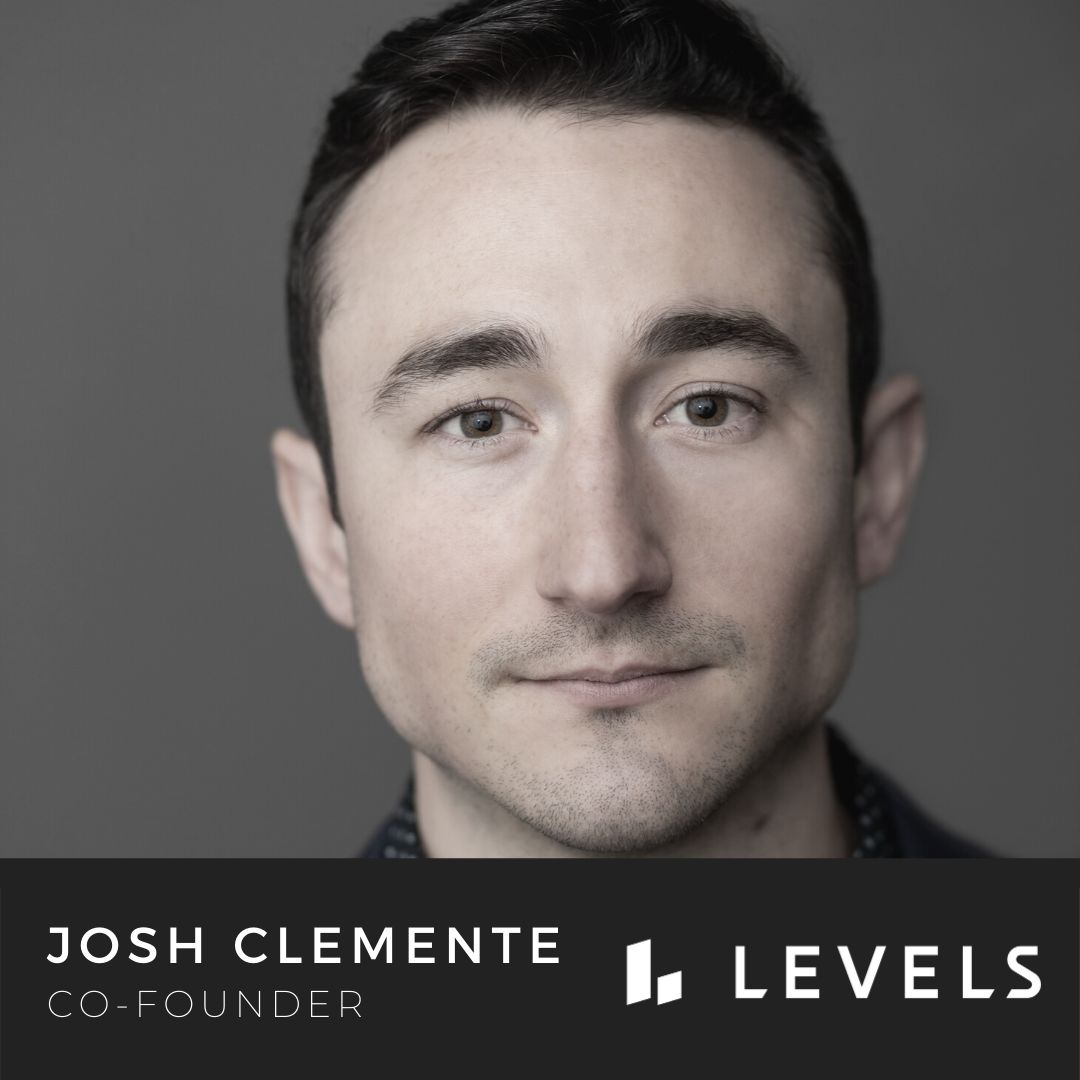
Levels launched in 2019, founded by Josh Clemente, a former SpaceX engineer.
After dealing with burnout and unexplained energy crashes, he started digging into metabolic health.
That personal curiosity turned into a business.
He teamed up with David Flinner, Casey Means, and Andrew Conner to build something new.
The product pairs a wearable continuous glucose monitor (CGM) with an app that gives you real-time feedback on how your blood sugar responds to food, exercise, sleep, and stress.

The goal is to help people make better lifestyle decisions with actual data, not guesswork.
Most people outside of diabetes care had never heard of a CGM.
So the Levels team had to educate the market from scratch. And they had to do it with clarity, not complexity.
They Focused on Trust
Rather than pushing paid ads or generic health messaging, Levels partnered with creators who already had influence in the wellness space.
These were:
Doctors and health experts who could explain the science
Nutrition coaches and performance specialists who already had communities
Podcasters and YouTubers who built trust through long-form content
Each collaboration was more than a product shoutout.
It was a full explanation of what Levels is, how it works, and why it might matter to the audience.
The results were clear, and the waitlist crossed hundreds of thousands
🤖 Helpful AI: Collabstr
Each week, we spotlight a digital tool, AI resource, or business hack that can help you streamline processes and boost productivity.
This Week’s Pick: Collabstr 🌐🚀
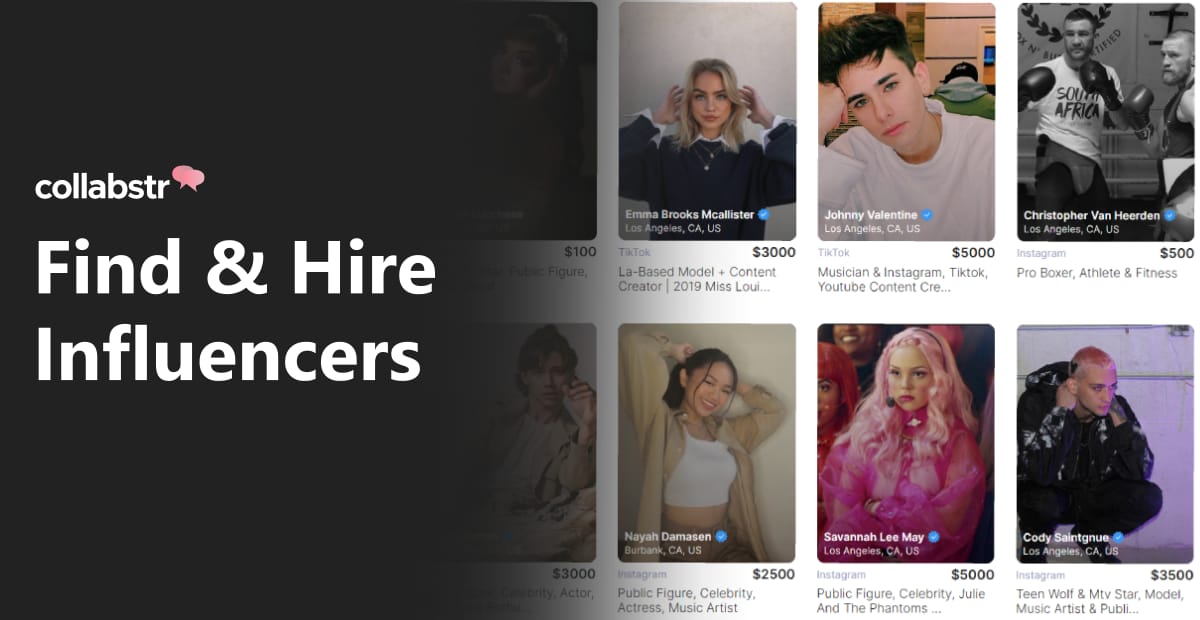
If you’re looking to find creators who speak to your audience, Collabstr is a solid place to start.
With Collabstr, you can:
Search for creators by niche, platform, and audience size
See estimated pricing and past examples
Manage outreach and payments directly through the platform
You don’t need to hire an agency. You don’t need to run a big campaign. Start with one test and build from there.
Try it out at collabstr.com
Resources Worth Bookmarking
📘 The Cold Start Problem by Andrew Chen
Breaks down how early-stage growth really works, and why timing, trust, and messaging matter more than just raw reach.
🎧 Levels x Ben Grynol on Brand and Trust
A solid conversation on how Levels built a brand around education instead of hype. Real strategy, not vibes.
📄 The Creator Economy’s Secret Weapon by Mario Gabriele
Why more startups are moving money from ads to creator-led content, and how to do it right.
Audience Corner
What’s one marketing experiment you’ve been putting off because you’re not sure it will work?
Maybe it’s a paid post, a newsletter sponsorship, or a creator partnership.
You don’t need to go big. But if you’ve already built something valuable, you owe it to yourself to see what happens when more of the right people hear about it.
Our first test didn’t just bring in revenue. It helped us move from hustle to structure.
Your turn.
Until next time,
Sefunmi